Insights
News
Thought Leadership
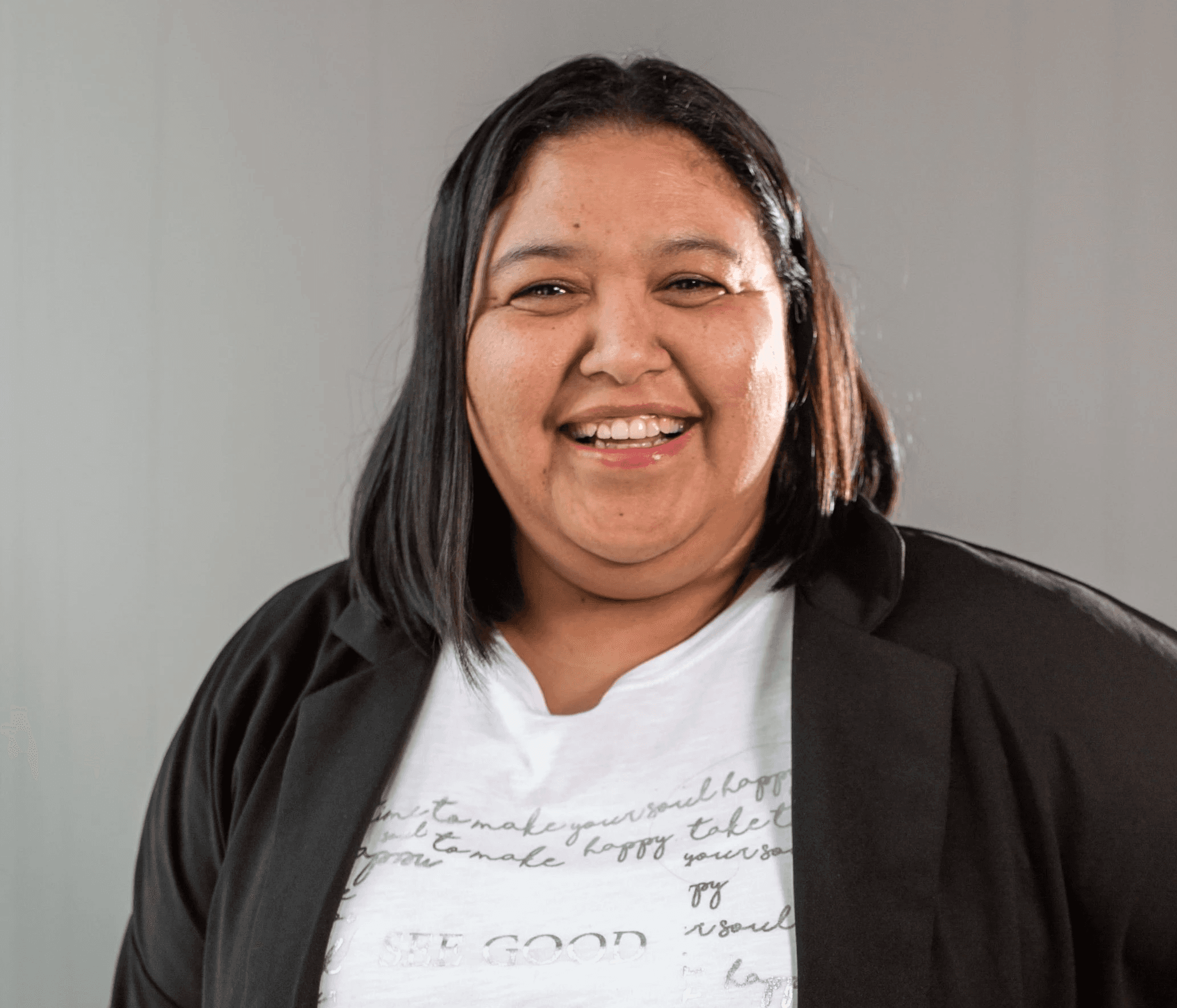
Megan du Toit
AdTech Lead & Solutions Design
ABOUT
Dentsu South Africa has become the first market in Africa to transition to Managed Meta Accounts, replacing personal Facebook logins with secure, company-managed identities authenticated through Okta. The move strengthens governance, security and business continuity across critical client environments, particularly for teams relying on Meta platforms such as WhatsApp for Business. While the transition is largely invisible to clients and teams, it removes the risks associated with personal accounts and creates a more resilient, enterprise-grade foundation for delivering client work.
If clients trust us with their brands, their data, and their media investment, should access to those environments depend on personal accounts at all?
Our answer was no.
As marketing becomes increasingly connected across media, commerce and customer experience, the infrastructure behind that work matters just as much as the work itself. The strongest foundations are often the ones nobody sees.
That is why dentsu South Africa has become the first market in Africa to move to Managed Meta Accounts, replacing personal Facebook logins with secure, company managed identities authenticated through Okta. This shift strengthens governance, improves security and ensures business continuity across critical client environments.
For most people, nothing will look different. Campaigns continue to run. Teams use the same tools. Workflows remain unchanged.
What has changed is what sits behind the scenes.
Access is now tied to dentsu rather than individuals. Governance is stronger. Security is more robust. When people leave the business, access leaves with them. The risk of critical client activity depending on a personal account has been removed.
The impact extends well beyond security.
For teams working across WhatsApp for Business and other Meta platforms, reliable access is directly connected to service delivery, operational resilience and revenue generation.
"The technical work behind WhatsApp for Business requires constant access to our Meta environment," says Megan du Toit, who leads WhatsApp for Business adoption across Africa. "Previously, access depended on personal credentials. If that access failed, work stopped. Managed Meta Accounts give us the governance, resilience and continuity needed to support clients and protect revenue."
South Africa was the only African market included in this phase of Meta's global rollout, making dentsu South Africa the first market on the continent to complete the transition. This positions the business at the forefront of a broader industry shift towards enterprise grade identity management and platform governance.
Being first is an achievement.
The bigger achievement is building a more secure, resilient foundation for the work we do every day on behalf of our clients. The best operational improvements are often invisible. They do not change what clients see. They strengthen what clients can rely on.
Our clients may never notice this transition.
That is exactly the point.
RELATED ARTICLES
Retail Media Is Growing Fast. Standards Are Not.
Building Measurement Confidence
Insights
News
Thought Leadership

DENTSU AFRICA PULSE | WEEK OF 25 SEPTEMBER 2026
Signals. Strategy. Growth.
Insights
News

Africa cannot afford another decade of potential
Building Leadership
Insights
News
Thought Leadership
Events

While Others Talk, dentsu Builds Creators
Building Sustainable Influence
News
Our latest work

Ready to grow?
LET'S TALK